



Plastic-free packaging and closed-loop recycling
Production: Scaling Recycled and Eco-Friendly Materials
- Use: Extending product lifespan
Through subscription-based business models in South Korea and proactive maintenance, LG is extending product lifespans and reducing premature replacement. Its ThinQ UP appliances allow customers to add new features via software updates, recording over 20 million cumulative global upgrade actions, which maximizes product value and sustainability.
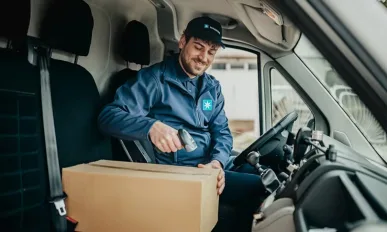
- Distribution: Sustainable packaging and closed-loop logistics
LG’s distribution initiatives focus on reducing virgin plastic and operational waste. Closed-loop recycling at logistics sites allows stretch film to be reprocessed into new materials, while packaging transitions—including plastic-free and pulp-based solutions—improve recyclability and reduce environmental impact.
- Disposal: Advancing global e-waste collection
LG continues to expand e-waste collection globally, gathering 532,630 tons in 2024 across 56 countries. Programs like Battery Turn recover valuable metals, including nickel and lithium, from used batteries, while partnerships with organizations such as E-Circulation Governance provide free home collection services.
Measurable Progress and Targets
Since 2006, LG has cumulatively collected over 5.01 million tons of waste, moving toward a target of 8 million tons by 2030. The company’s circularity framework spans Production, Use, Distribution, and Disposal, with clear milestones:
- Production: 36% year-over-year increase in recycled plastics used (74,079 tons in 2024)
- Distribution: Closed-loop logistics and packaging innovations reducing operational waste
- Use: Extended product lifecycles via subscriptions and software upgrades
- Disposal: Expanded global e-waste collection and responsible recycling initiatives
“The establishment of a circular economy is essential—and expected to become even more critical—for addressing resource depletion, protecting the planet and securing sustainable economic growth. Our Circularity Team is advancing high-strength pulp molds, high-content EPS alternatives, material-specific circular systems and component collection campaigns to support long-term impact,” adds Taylor.