



A new global partnership between Airbus and JDE Peet’s leverages satellite imagery and AI to map coffee plantations at scale—helping to tackle deforestation risk, improve transparency, and build more resilient supply chains.
A New Model for Sustainable Coffee Supply Chains
Airbus Defence and Space and JDE Peet’s have partnered to deliver what is described as the world’s first comprehensive, open map of coffee plantations—an initiative designed to support deforestation-free and more resilient coffee supply chains.
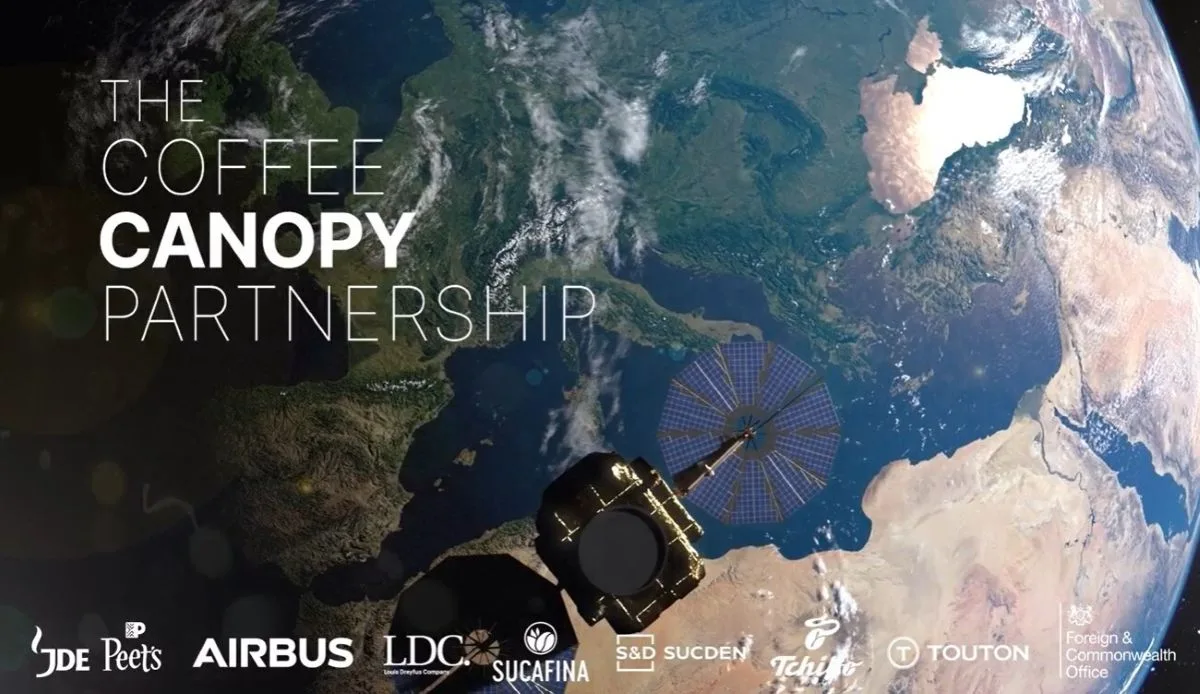
The effort, led by JDE Peet’s through the Coffee Canopy Partnership, brings together major coffee traders and roasters alongside institutional support from the UK Foreign, Commonwealth & Development Office (FCDO) and the UN Food and Agriculture Organization (FAO). The goal is to move beyond fragmented sustainability efforts and enable a more coordinated, landscape-level approach to supply chain transparency.
Satellite Data and AI Enable New Levels of Supply Chain Visibility
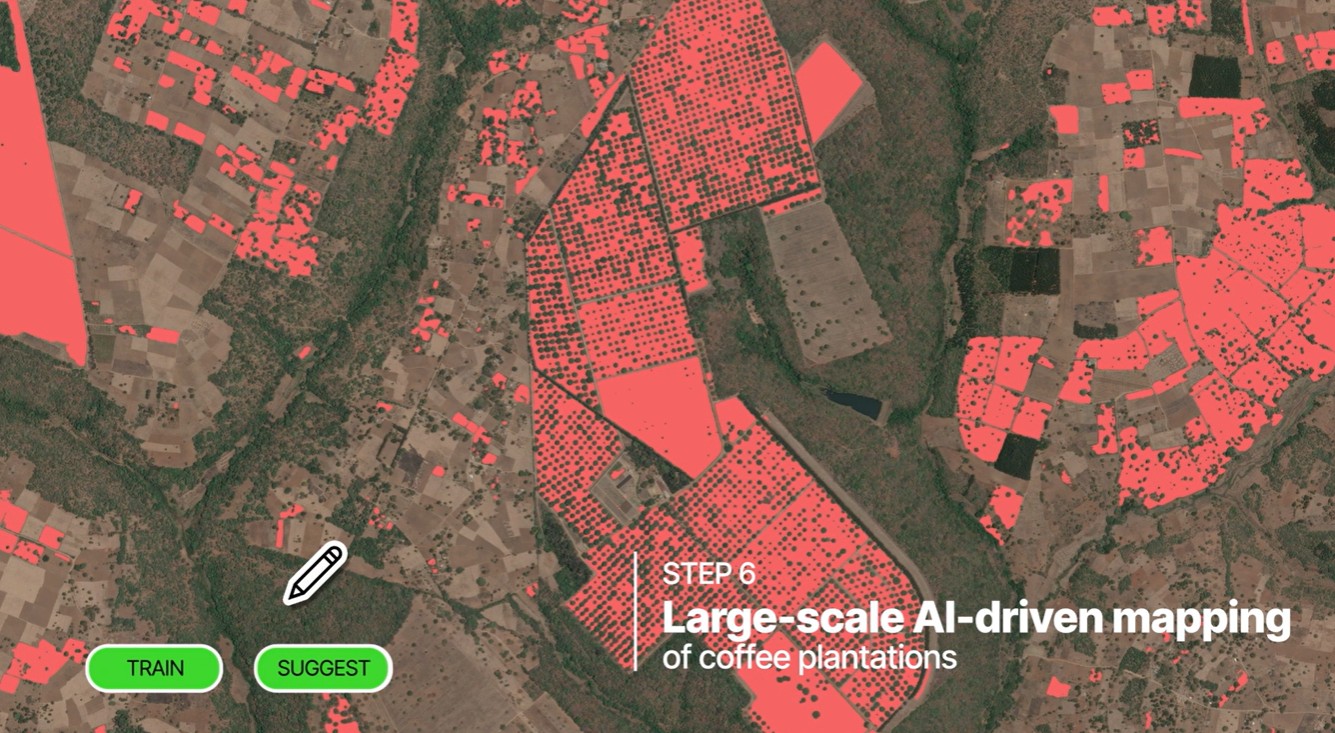
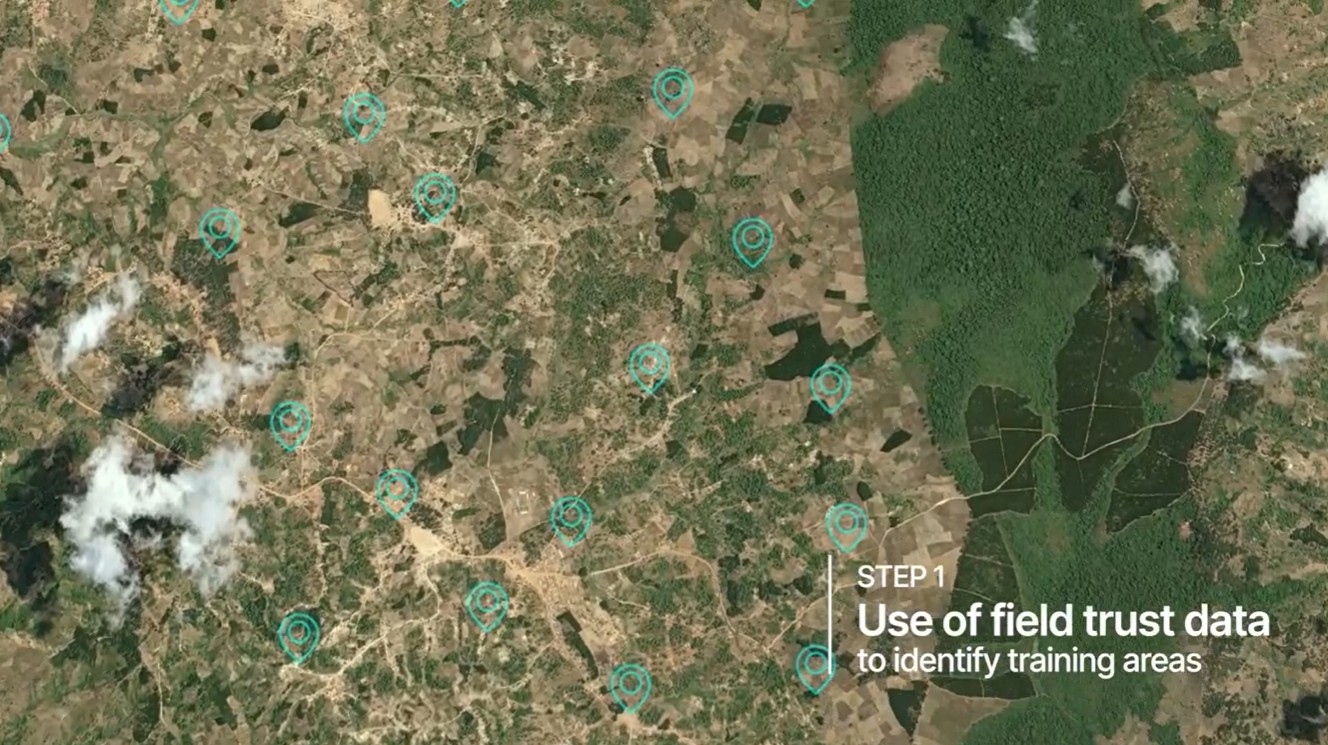
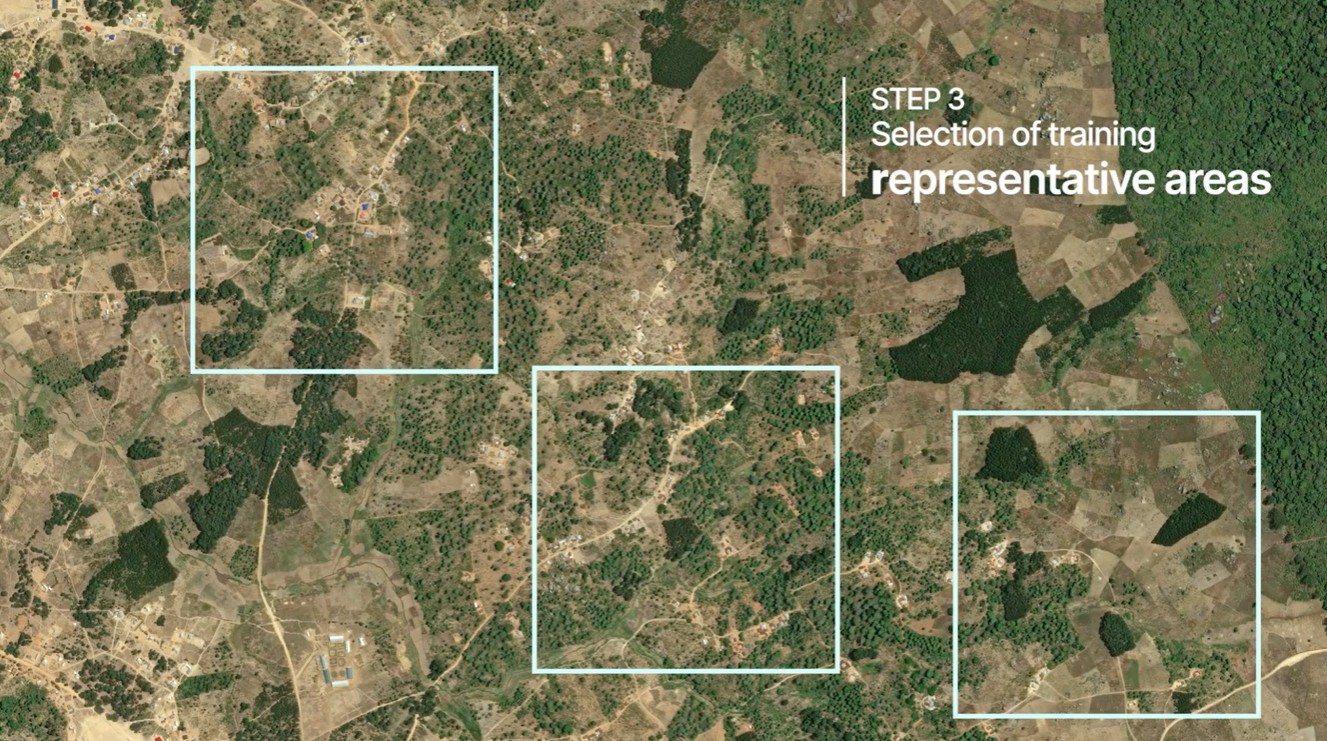
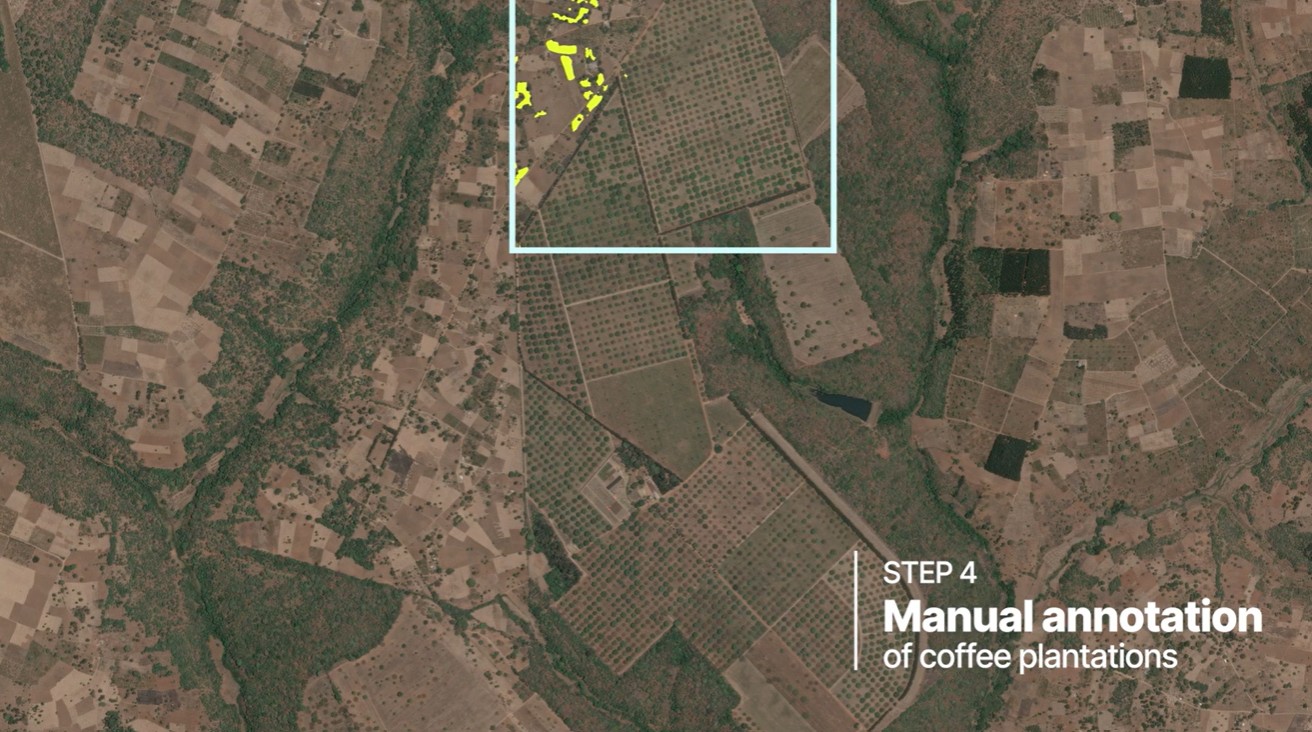
At the core of the initiative is the integration of very high-resolution satellite imagery with advanced artificial intelligence models. By combining Pléiades (50 cm) and Pléiades Neo (30 cm) imagery with AI trained on large datasets, the partnership can identify and monitor coffee plantations with unprecedented precision.
These capabilities have already been deployed across multiple countries in East Africa, covering more than 1.2 million km² of complex agricultural landscapes, including shade-grown and agroforestry systems.
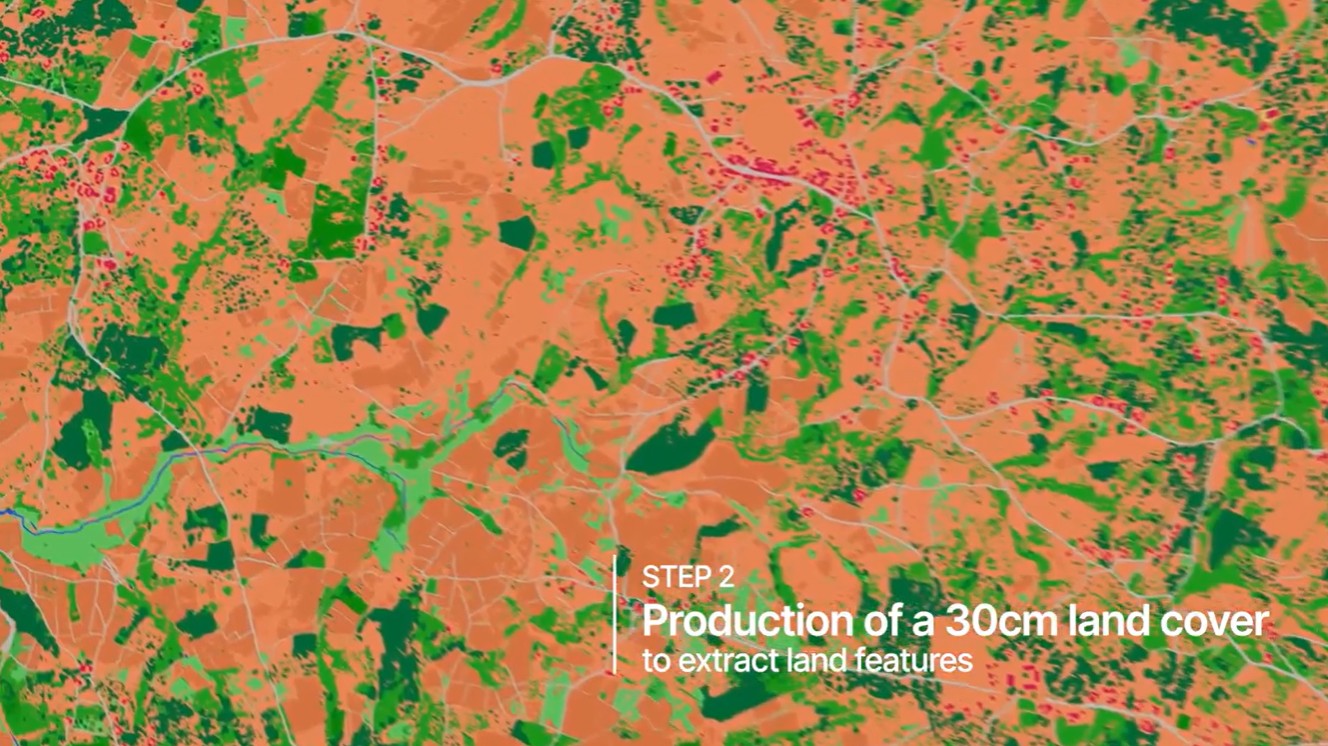
The resulting data provides stakeholders across the value chain—from governments to producers—with actionable insights to identify deforestation risks, support landscape restoration, and strengthen long-term supply resilience.
“Leveraging our very high-resolution Pléiades and Pléiades Neo satellite imagery combined with advanced AI capabilities, Airbus helps identify deforestation risk and protect our world’s forests, while simultaneously empowering food producers and smallholder farmers with the transparency and reliable data needed to strengthen their resilience and build a truly sustainable supply chain,” said Eric Even, Head of Space Digital at Airbus Defence and Space.
From Fragmented Initiatives to Industry-Wide Collaboration
“The Partnership is designed to move beyond fragmented, company-led deforestation initiatives by fostering collaboration at a landscape scale – supporting efforts to map and safeguard coffee-growing regions, not just individual supply chains,” said Laurent Sagarra, VP Engagement at JDE Peet’s.
“This is not another certification scheme; it is a sector-led initiative aimed at strengthening collective action to help keep forests vibrant and reduce the risk of coffee-driven deforestation over time.”
This collaborative model reflects a broader trend in food and beverage supply chains, where shared data ecosystems are becoming critical to addressing systemic sustainability challenges.
East Africa Coverage
The Partnership initiative launches with an East Africa pilot covering Ethiopia, Tanzania, Kenya, Uganda, Burundi and Rwanda – mapping 1.2 million square kilometers of coffee landscapes. Building on the pilot’s success, the Coffee Canopy Partnership will aim to achieve worldwide coverage of all coffee-growing regions in 2027 through expanded industry and institutional co-investment.
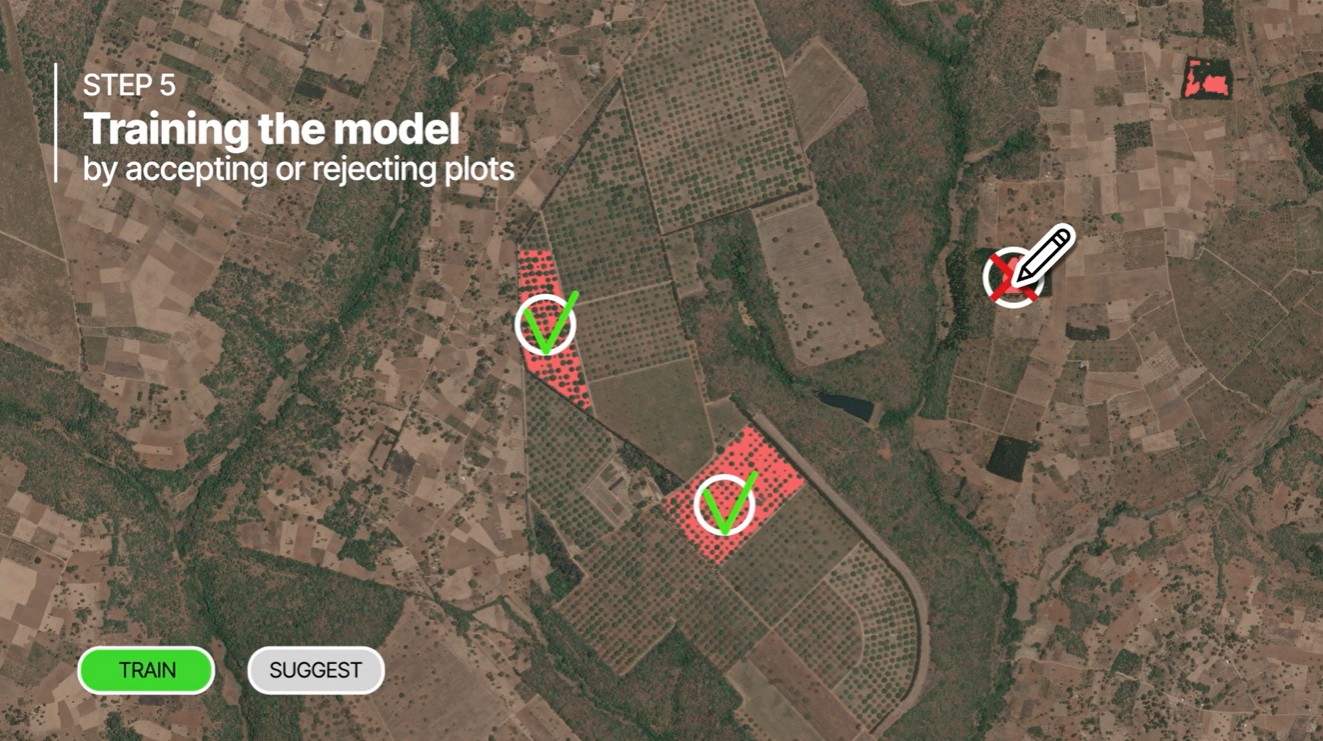
The Partnership aims to support coffee-related deforestation remediation efforts over time, subject to the availability of validated data and in collaboration with governments and local communities, with the objective of contributing to landscape restoration and reducing future forest loss.
“The initiative led by JDE Peet’s and Airbus is well aligned with the AIM4Commodities program (Accelerating Innovative Monitoring for Forests and Commodities), through which FAO promotes transparent and sustainable commodity production, encouraging sector-wide transformations toward open and inclusive data and technical solutions, protecting forests whilst leaving no one behind,” said Julian Fox, Team Leader on Forest Monitoring, UN Food and Agriculture Organization (FAO).