




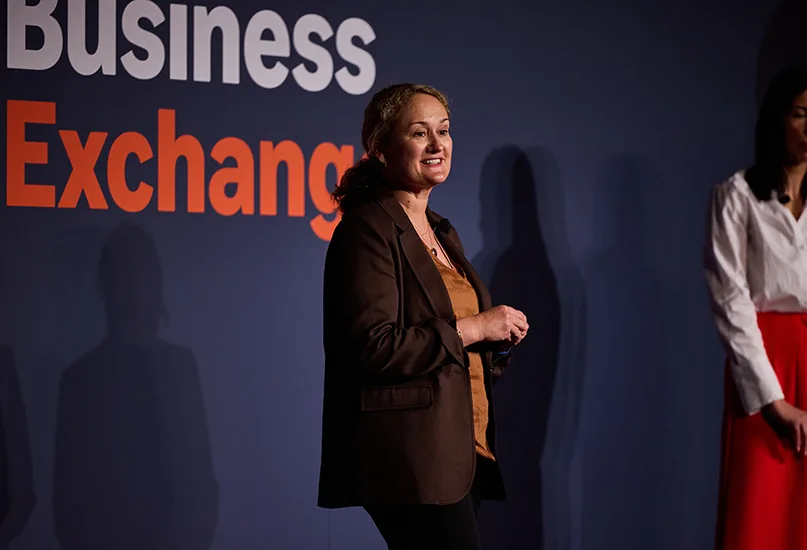
Amy Worth, Director of Amazon Business UK and Public Sector Customers EU, outlines how small to medium-sized enterprises can make cost savings in order to support their growth and make the most out of their procurement spend.
Q&A WITH AMY WORTH, DIRECTOR, AMAZON BUSINESS UK AND PUBLIC SECTOR CUSTOMERS EU
Firstly, please introduce us to Amazon Business and how the company is changing the world of procurement?
Amy Worth, Director (AW): Amazon Business combines Amazon’s vast product selection and trusted user experience with artificial intelligence (AI)-powered intelligence and business-focused tools to help organisations of all sizes streamline purchasing, ensure compliance, and make smarter spend decisions.
Moving beyond manual, fragmented processes, Amazon Business delivers a transparent, data-driven procurement platform that enables smarter spend decisions, efficient processes, and supports strategic goals such as prioritising local, small suppliers and sustainable purchasing.
Amazon Business empowers organisations to shift from tactical purchasing to strategic procurement, providing efficient purchasing frameworks for public sector and private buyers alike.
Can you tell us how Amazon Business helps small to medium-sized enterprises (SMEs) make cost savings in order to support their growth and make the most out of their procurement spend?
AW: Procurement teams know that cost savings are paramount to business growth.
Amazon Business enables SMEs to maximise their procurement spend through multiple value drivers – business-only pricing, quantity discounts, and competitive deals across millions of products.
With Amazon Business Prime, SMEs can access member-only offers and exclusive business deals alongside fast and free delivery, levelling the playing field with larger competitors.
In 2024, Business Prime members saved over USD$750 million globally. By consolidating purchasing, invoicing, and approvals in one store, time-consuming manual processes can be cut down, allowing small teams to operate more efficiently.
Built-in analytics and Spend Visibility dashboards help UK SMEs to monitor and control business spending, identify cost-saving opportunities, and reduce unnecessary tail spend, supporting a healthier cash flow.
Additional Business Prime benefits, such as guided buying tools, extend support beyond procurement to enable SMEs to work more efficiently, reduce operational costs, and reinvest savings back into growth.
What are the most important Amazon Business features and innovations would you highlight?
AW: Amazon Business offers a comprehensive suite of AI-powered tools that transform procurement from a manual, reactive function into an intelligence-led operation.
At the forefront is Business Analytics, which uses dashboards powered by AWS QuickSight, to automatically generate detailed reports, enabling businesses to analyse spending patterns across multiple attributes at an itemised level.
New innovations announced at Reshape 2025 include Amazon Business Assistant, which uses conversational AI to provide contextual procurement recommendations; Savings Insights, which leverages generative AI to reveal historical spending trends and identify cost-saving opportunities like quantity discounts; and Spend Anomaly Monitoring, which automates spend monitoring by detecting unusual purchasing behaviour with proactive AI-powered alerts.
These tools help businesses streamline supplier management, strengthen rationale behind internal purchasing policies, and ensure buying decisions align with broader priorities such as sustainability, compliance, and supplier diversity.
With advanced features like IT Services for device lifecycle management and an AWS-integrated manufacturing solution that predicts supply chain challenges before they impact production, Amazon Business has evolved into a leader for enterprise purchasing, serving more than 62 of the FTSE 100 companies within the UK.

How can digital procurement reduce processing costs, save valuable admin time, improve order accuracy, and handle peak service demands without disruption?
AW: By consolidating purchasing, invoicing, and approvals in one digital platform with built-in analytics, organisations can improve order accuracy through standardised processes and real-time validation to leverage Amazon Business’ extensive catalogue and robust supply base.
The platform’s scalable infrastructure handles peak service demands without disruption, supporting continuous, policy-compliant procurement that adapts to volume fluctuations whilst maintaining accuracy and control.
Digital procurement provides businesses with real-time insights and automated processes powered by AI to eliminate time-consuming manual tasks, allowing procurement teams to focus on strategic value rather than repetitive administrative work.
Amazon Business’ new AI-powered tools, such as Amazon Business Assistant, transform procurement from reactive purchasing to proactive, intelligence-led operations.

“Digital procurement provides businesses with real-time insights and automated processes powered by AI to eliminate time-consuming manual tasks, allowing procurement teams to focus on strategic value rather than repetitive administrative work”
Amy Worth, Director, Amazon Business UK and Public Sector Customers EU
When businesses gain access to clear spending data, what insights do they unlock that can support budget planning?
AW: Every procurement professional knows how intensive budget planning can be and how many insights they’ll need to leverage for forecasting.
Clear spending data provides a comprehensive picture of needs versus wants and problem areas that need to be addressed.
Once new budgets are finalised, digital procurement tools like Budget Management allow administrators to allocate funds and manage multiple budgets at once with real-time tracking.
These real-time insights provide teams with current spend data to effectively manage budgets and goals to support predictive procurement that better anticipates future demand and pricing in an uncertain economic environment.
How do detailed insights allow teams to forecast more accurately and make adjustments based on customer trends?
AW: With access to detailed insights, teams can forecast demand more accurately, identify opportunities to consolidate purchases, and adjust inventory levels based on footfall trends.
The granular visibility across departments, cost centres, and product categories helps procurement teams make data-driven decisions and create accurate forecasts for the year ahead.
A data-driven approach means that procurement teams can move from reactive support to proactive planning, ensuring resources are allocated with both resilience and growth in mind.
Spend visibility also enables purchasing teams to move from reactive to proactive and allocate their resources with resilience and growth in mind. Can you expand?
AW: Spend visibility gives purchasing teams a clear, real-time view of where money is being spent across the organisation.
With greater insight into spending patterns, supplier dependencies, and emerging trends, teams can anticipate risks, plan more effectively, and make data-driven decisions that support continuity and growth.
Predictive procurement tools utilise historical and real-time data to identify risks, anticipate demand, and allocate resources effectively, empowering organisations to forecast challenges, respond proactively, and strengthen resilience against disruption.
“With greater insight into spending patterns, supplier dependencies, and emerging trends, teams can anticipate risks, plan more effectively and make data-driven decisions that support continuity and growth”
Amy Worth, Director, Amazon Business UK and Public Sector Customers EU

What about strengthening ties with local suppliers? How does this benefit the regional economy and attract consumers that prioritise brands committed to supporting small businesses?
AW: Strengthening ties with local suppliers supports the regional economy by keeping spending and jobs within the community, encouraging reinvestment and economic growth.
With Amazon Business, organisations can leverage the Buy Local programme to create guidelines that prefer sellers in their local communities.
Many organisations have environmental, social, and governance (ESG) commitments that mean they prioritise brands that support small businesses.
Through Amazon Business’ Seller Certification programme, it’s easy to identify and prefer certified small, diverse, and local suppliers.
In buying local, organisations can improve supply chain responsiveness and transparency and reinforce their reputation for supporting sustainable, community-focused practices.
Finally, as business budgets are tightened ahead of what will likely be a slow January, why can strong supplier relationships lead to cost savings?
AW: Strong supplier relationships can lead to cost savings, especially when budgets are tight, by fostering collaboration and trust.
Suppliers are more likely to offer favourable pricing or value-added services to partners they have long-term, reliable relationships with.
Additionally, where strong relationships are in place with suppliers, account holders can receive price breaks on multi-unit purchases and request quantity discounts.
Amazon Business also enables organisations to maintain relationships by inviting negotiated vendors to onboard to the platform, where they can continue to honour customer-specific negotiated pricing.
Greater supplier relationships empower procurement professionals to be more predictive and proactive with planning and day-to-day operations.