




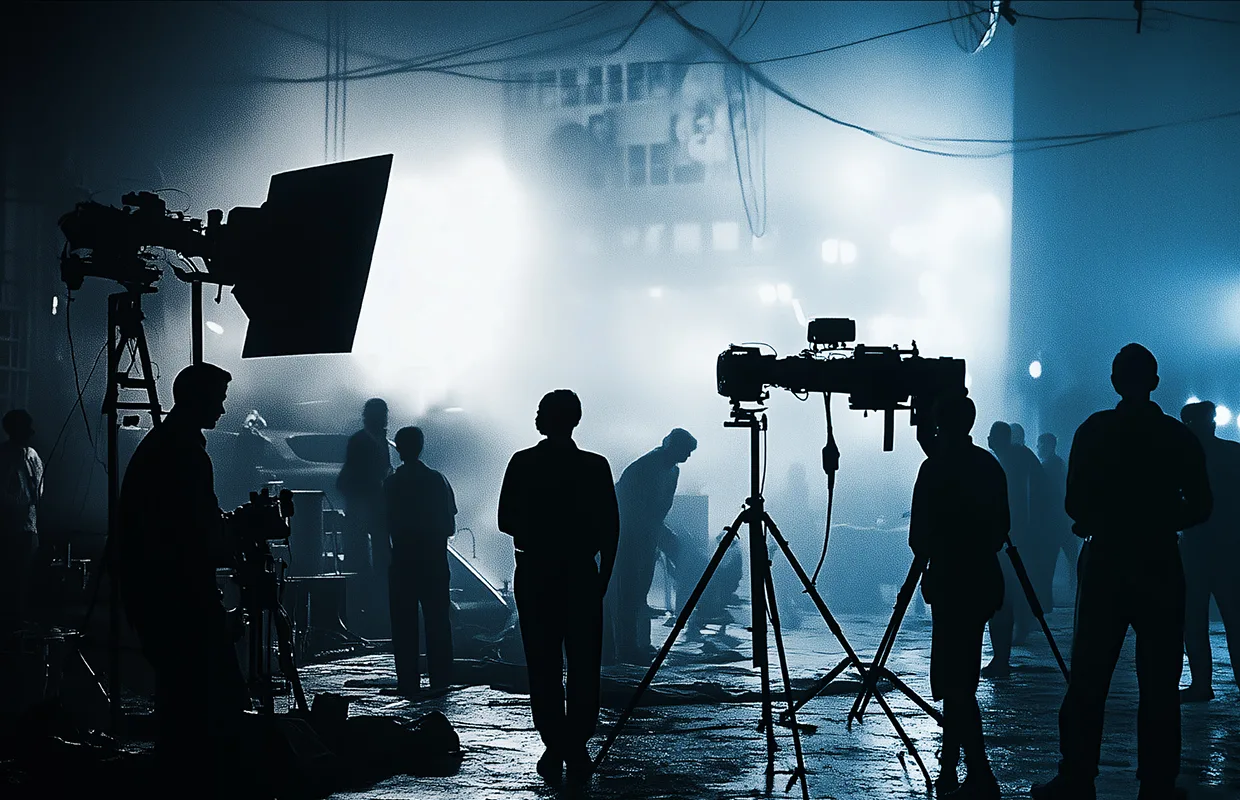
We dive beneath the surface of Hollywood movie production and dissect the stages of the supply chain required to transport film concepts from script to screen.
FROM SCRIPT TO SCREEN
Every industry depends on an efficient and well-oiled supply chain, and the world of moviemaking is no different.
Behind the scenes of our favourite cinematic stories and epic on-screen adventures, a whole hidden world of supply chain processes must be meticulously managed.
This complex and vast supply chain encompasses a plethora of varying stages such as financing, development, production, marketing, and distribution, all of which play critical roles along the gradual journey to the silver screen.
A vast network of equipment, services, and talent are all crucial for bringing a movie from script to screen, with modern challenges focusing on digital solutions and localised networks.
Nowadays, filmmakers must also deal with the harsh realities of supply chain issues; one isolated event can trigger worldwide shortages and rising prices, impacting production directly.


SECURING FINANCES AND EQUIPMENT
Without a bulletproof financial plan and sufficient funding, film projects can be doomed before the cameras even start rolling.
A comprehensive budget also allows producers to distribute funds effectively across departments, ensuring the necessary areas have adequate resources.
Another critical element of the supply chain is the process of sourcing and securing equipment.
Filmmakers require countless essentials, ranging from a variety of different cameras, lighting, and sound gear to props, costumes, and other materials to ensure production runs smoothly and the technical side is well-managed.
However, supply chain disruptions can cause limited availability of technological devices, often leading to rising costs and budget alterations.
One such example of the volatility of supply chains is that cameras require microchips, as integrated circuits are crucial for controlling power consumption, storing media, and connecting to Wi-Fi.
Unfortunately, microchips have been in severely limited global supply since the COVID-19 pandemic.
Additionally, once film equipment is secured, it must then be transported to the crew at filming locations safely and on time.
HIRING SKILLED WORKERS
It takes an eclectic and vast group of people in a variety of roles to produce a movie, so finding skilled workers is a significant part of filmmaking.
Labour drives every supply chain, and a lack of suitable workers increases costs and causes logistical issues.
Some films may require specialised professionals whose jobs are in high demand, such as stunt or pyrotechnics experts, who must have the correct licences depending on the filming location and local legislation.
Filming in New York, for example, requires a certified pyrotechnician on set at all times.
Moreover, keeping a film crew energised and well fed is essential, so filmmakers usually offer free food on set, a further cost and supply factor to consider.


LOCATION AND SAFETY
Throughout history, movies have been shot in some of the most remote locations on Earth, which complicates the issues of transport and supplies.
For example, Cast Away, the Tom Hanks survival movie classic, was filmed on the uninhabited island of Monuriki in Fiji – not many logistics companies transport supplies there, increasing production costs dramatically.
Remote areas can also be a liability when you factor in the risk of harsh weather conditions. Torrential rain, perilous snowstorms, or even natural disasters such as earthquakes or floods can delay production, jeopardise transportation, or damage equipment.
Filmmakers must also account for a location’s political stability as well as its geographical complications.
Finally, movie creators should advocate for the highest standards of safety throughout the entire production process by enforcing guidelines and ensuring equipment and all other elements meet the correct standards.
To prevent accidents on set, reputable suppliers must be selected and comprehensive risk assessments carried out to ensure the safety of actors and crew.