



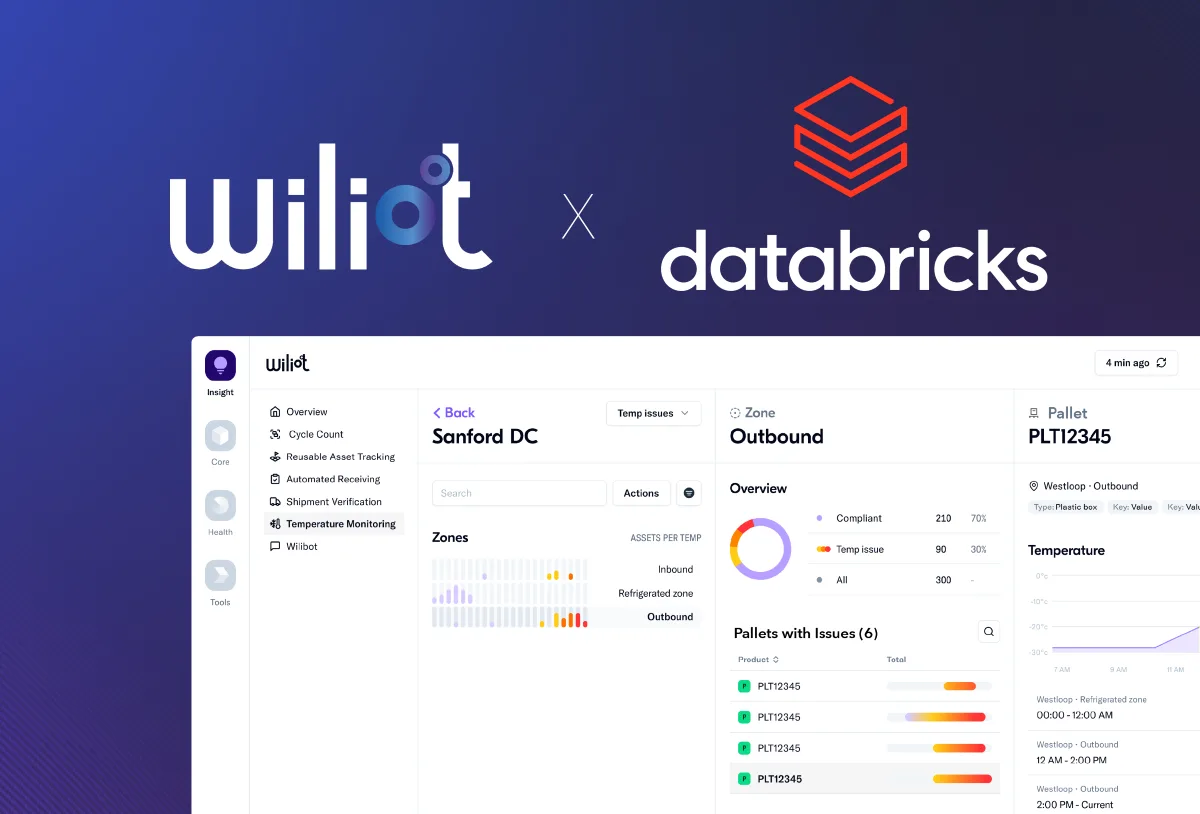
Wiliot and Databricks unite to transform physical-world data into real-time intelligence, helping enterprises enhance visibility, streamline operations, and accelerate AI-driven supply chain innovation.
A NEW ERA OF PHYSICAL AI
A new strategic partnership between Wiliot, a global leader in Physical AI for supply chains, and Databricks, a major data and AI company, is set to redefine how enterprises harness real-time data, unlocking a new era of Physical AI-driven supply chain intelligence.
The collaboration will see Wiliot’s Physical AI platform and supply chain automation solutions built on Databricks’ powerful data infrastructure, enabling organizations to seamlessly ingest, manage, and analyze vast streams of real-time data from the physical world.
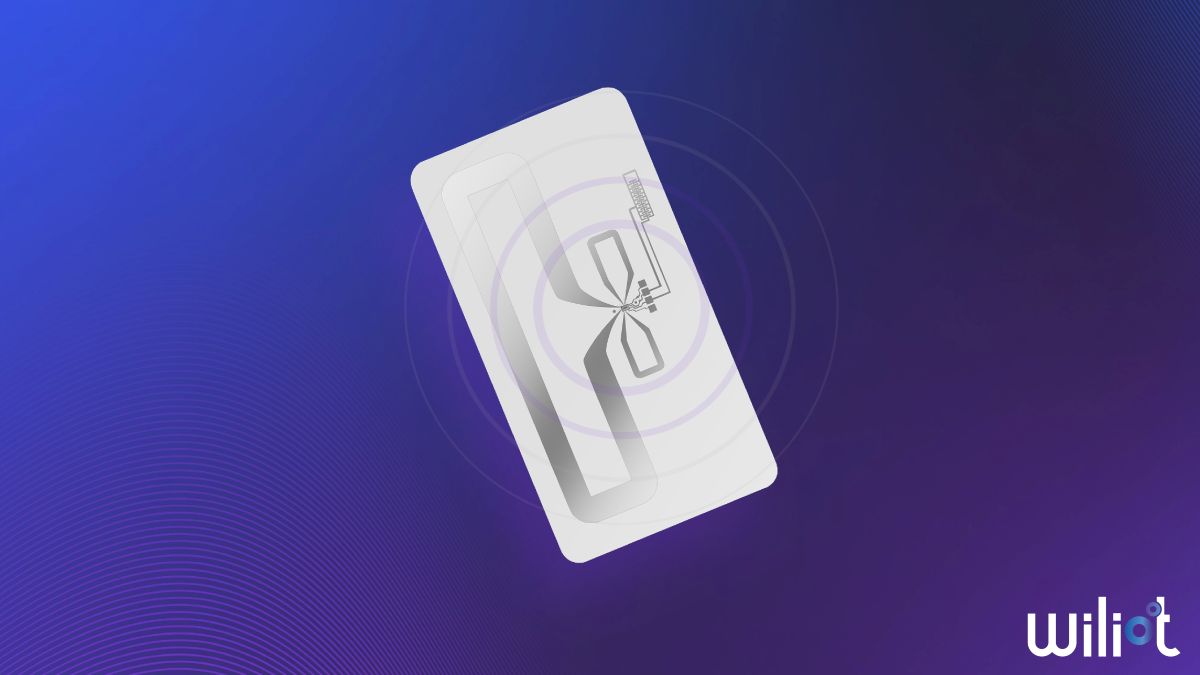
At the heart of this innovation lies Wiliot’s pioneering IoT Pixels – battery-free, postage-stamp-sized sensors that transform everyday products into intelligent, connected data sources.
By integrating these capabilities with Databricks’ scalable lakehouse architecture, enterprises can unify granular, item-level physical data with enterprise systems faster and more precisely than ever before.
TURNING DATA INTO DECISIONS
The partnership enables companies to operationalize billions of real-time data points, applying advanced AI analytics to derive actionable insights across their operations.
Running on Databricks’ high-performance compute and storage environment, Wiliot’s platform ingests continuous data streams from Physical AI networks, empowering organizations to predict disruptions, automate inventory processes, and optimize complex logistics functions.
From cold chain monitoring to shipment verification, businesses can now move from reactive processes to proactive, intelligence-led decision-making.
Beyond analytics, the integration also supports the development of bespoke data applications built directly on physical assets, allowing organizations to tailor solutions to specific operational needs and drive continuous innovation.
“Running the Wiliot Physical AI platform on Databricks gives our customers the ability to operationalize physical-world data at scale. By aligning our platform with Databricks, Wiliot is providing customers with a robust, scalable foundation, plus advanced Wiliot solutions, for turning billions of data points into immediate, profit-driving decisions”
Adi Applebaum, Vice President of Product at Wiliot
REDEFINING SUPPLY CHAIN VISIBILITY
Wiliot’s Physical AI platform underpins five core solutions designed to disrupt traditional supply chain operations:
- Inventory Intelligence – delivers continuous visibility across storage areas, backrooms, yards, and vehicles without manual intervention
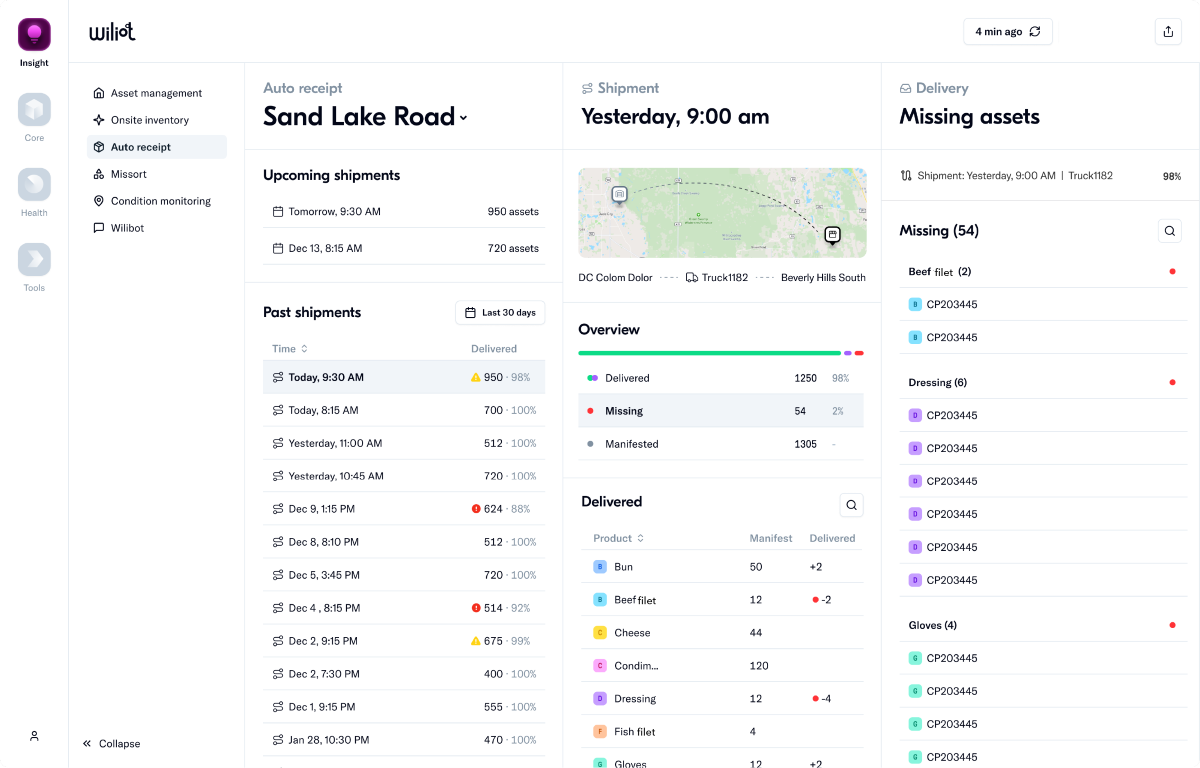
- Automated Receiving – confirms inbound shipments at pallet and case level, accelerating dock-to-stock workflows
- Automated Shipment Verification – ensures outbound shipments are accurate and compliant in real time
- Reusable Asset Tracking – monitors the movement and utilization of returnable assets across the supply chain
- Temperature Monitoring – safeguards perishables and sensitive goods through continuous environmental tracking
Together, these solutions provide a comprehensive, real-time view of supply chain activity, eliminating inefficiencies and enhancing operational resilience.
By leveraging Databricks as the underlying data platform, customers also benefit from a secure, governed, and scalable environment that simplifies data management while ensuring insights are accessible across departments – from logistics and operations to merchandising and sustainability.
“Organizations are looking to bridge the gap between their physical operations and their digital AI strategies. This partnership accelerates Wiliot’s mission to bring intelligence to every product and asset by combining our real-time sensing with Databricks’ powerful data engineering.”
Adi Applebaum, Vice President of Product at Wiliot
THE NEXT FRONTIER OF DATA INTELLIGENCE
For Databricks, the partnership signals a significant step forward in bridging the gap between physical operations and digital transformation strategies.
From warehouse floors to retail shelves, the combined platform enables real-time visibility into product location, condition, and availability, helping businesses reduce out-of-stocks, minimize shrink, and deliver more personalized customer experiences.
Databricks’ continued leadership in the data space – including recognition as a Leader in the Gartner® Magic Quadrant™ for Cloud Database Management Systems for five consecutive years – further reinforces the strength of the collaboration.
“Physical AI represents the next frontier of data intelligence. By partnering with Wiliot, we are enabling organizations to unify physical-world data and enterprise data to drive deeper insights and smarter decision-making.”
Roberto Robles, GTM Lead Consumer Goods & Retail at Databricks.
SCALING THE FUTURE OF PHYSICAL AI
Wiliot’s growing ecosystem of technology partners reflects its broader mission to make the physical world fully visible, intelligent, and connected.
Already trusted by major global enterprises, including Walmart and Royal Mail, the company is driving digital transformation across retail, consumer packaged goods, and logistics sectors.
With billions of sensing events processed monthly across millions of products, Wiliot’s platform provides a scalable foundation for organizations seeking to integrate AI into their physical operations.
As supply chains grow increasingly complex, the convergence of Physical AI and advanced data platforms is poised to become a defining factor in operational success – and this partnership positions Wiliot and Databricks firmly at the forefront of that transformation.