



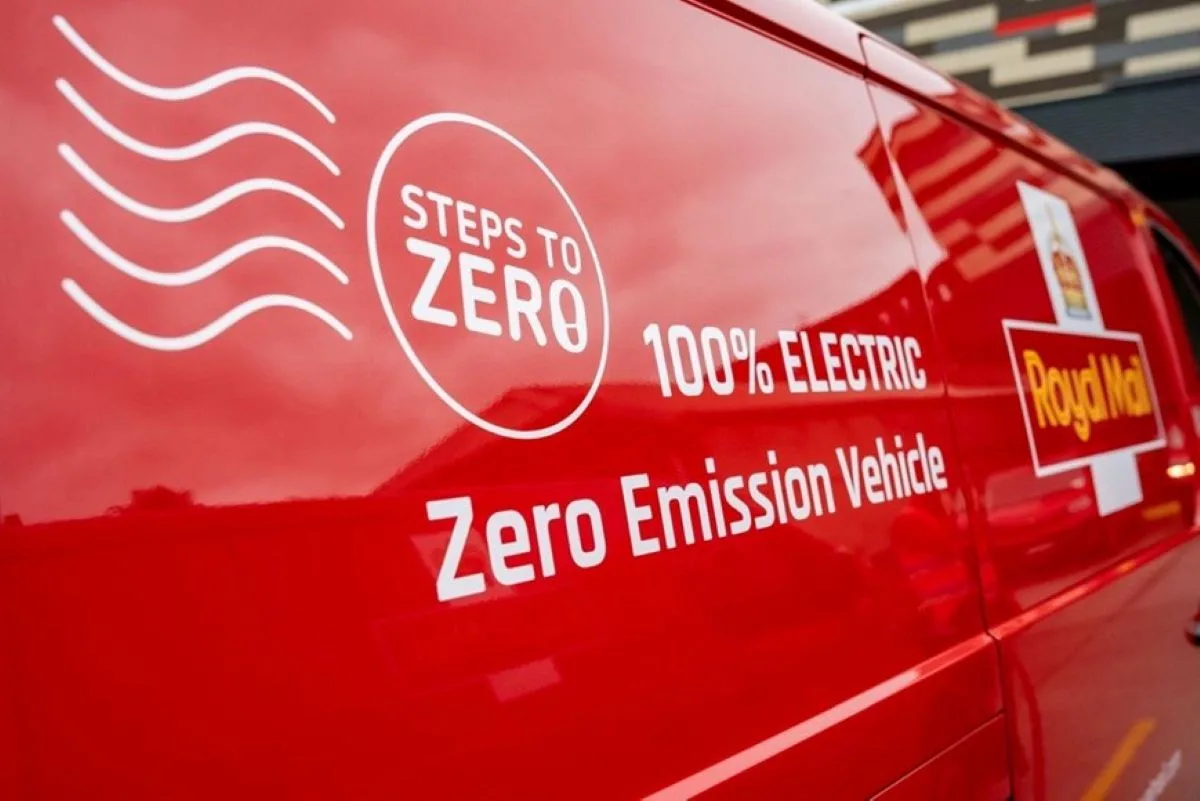
Royal Mail is embarking on a green revolution to drastically cut its carbon footprint. Through innovative advancements in its fleet and a strong focus on energy efficiency, this initiative lays the groundwork for achieving a net zero future.
LEADING THE CHARGE
- Royal Mail has reduced its carbon emissions by nearly one-third since 2021 and aims to achieve net-zero emissions by 2040.
- The average carbon emissions per parcel, already the lowest in the industry, have decreased by six percent over the past year.
- These reductions are partly due to ongoing fleet modernisation and improved energy efficiency across the organisation.
Royal Mail has successfully reduced its carbon emissions by an impressive 31 percent since 2021. This achievement underscores its position as the leading green parcel operator in the UK.
The company has made significant progress toward its ambitious goal of reaching net zero emissions, demonstrating a strong commitment to sustainability and environmental responsibility.
DRIVING TOWARDS A GREENER FUTURE
Data from the latest Sustainability Report indicate that average emissions per parcel delivered have decreased to 164 grams of carbon dioxide equivalent (gCO2e). This marks a six percent reduction from last year.
Furthermore, in the fiscal year 2025–26, Royal Mail’s total market-based emissions were recorded at 1,085 kilotonnes (Kt)CO2e, representing a 31 percent reduction from its base year of 2020–21 as well as a seven percent decrease year-on-year.
This remarkable reduction has been achieved through ongoing investments in fleet electrification, along with an increased use of the fossil-free biofuel Hydrotreated Vegetable Oil (HVO) in heavy goods vehicles, and energy-efficiency improvements across Royal Mail’s operations.
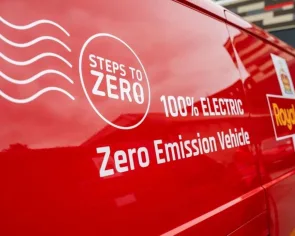
Notably, fleet electrification is a key component of Royal Mail’s net zero strategy. In the past year alone, the company deployed over 2,000 electric vans, thereby expanding its already largest electric delivery fleet in the UK to over 8,500 vehicles.
Currently, nearly one-third of its delivery routes are zero-emission, and additionally, 44 delivery offices operate fully electric fleets. Compared to diesel vehicles, electric vans provide significant savings in running, servicing, and maintenance costs.
COMMITMENT TO SUSTAINABLE DELIVERY
Royal Mail is taking significant strides toward decarbonising its national distribution network by introducing its first electric heavy goods vehicles (eHGVs) this December. This move marks a pivotal step in the company’s commitment to sustainability.
Alongside this, December also sees the rollout of 80 micro electric vehicles (MEVs) strategically deployed across key locations such as London, Bristol, Newcastle-under-Lyme, Solihull, Brighton, and the picturesque Scilly Isles.
This comprehensive initiative not only aims to reduce harmful emissions but also seeks to enhance overall delivery efficiency, paving the way for a cleaner and more effective delivery system.

“We’re making great progress in cutting emissions and transforming Royal Mail into a smarter, greener and more resilient business. By investing in electric vehicles (EVs) and cleaner fuels, we’re reducing our environmental impact whilst delivering a more reliable service for our customers and supporting healthier communities.”
Jenny Hall, Chief Corporare Affairs Officer , Royal Mail
*Based on publicly available reported gCO2e per parcel from other UK parcel operators.
The varying year-on-year reduction rates indicate that emissions per parcel are influenced by parcel volume as an intensity metric. In contrast, total market-based emissions reflect the company’s overall emissions footprint.
This article was produced by the editorial team at Supply Chain Outlook and published as part of the Outlook Publishing global network of B2B industry magazines.
Outlook Publishing delivers industry insights, company stories, and sector coverage across supply chains, manufacturing, mining, construction, healthcare, food production, and sustainability.
Supply Chain Outlook provides ongoing coverage of organisations and developments shaping the global logistics and supply chain sector.