Lily Sawyer is an in-house writer for Supply Chain Outlook Magazine, where she is responsible for interviewing corporate executives and crafting original features for the magazine,...
- Senior Editor
Share
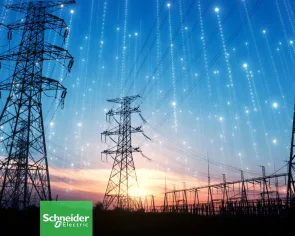
A new strategic partnership between Schneider Electric and Kraken aims to accelerate grid connections, unlock network capacity, and help utilities meet growing electricity demand without costly infrastructure upgrades.
As global electricity demand continues to surge, energy technology leaders Schneider Electric and Kraken have announced a strategic partnership designed to accelerate the adoption of electricity demand flexibility and support the transition to a cleaner, more resilient energy system.
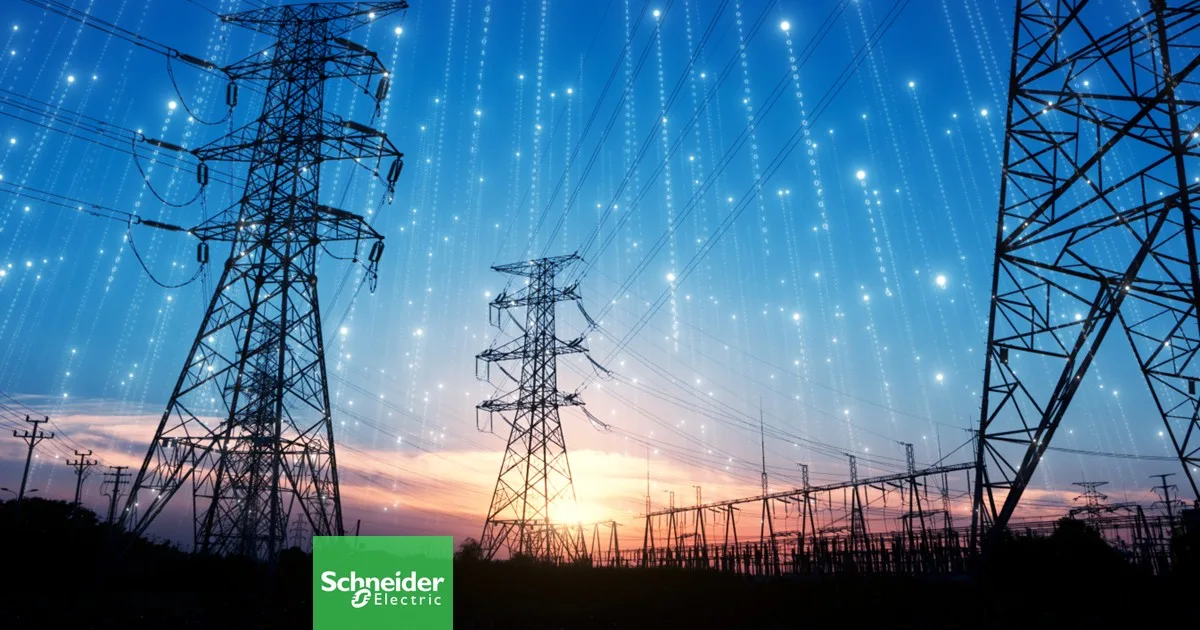
By combining advanced grid visibility, forecasting capabilities, and real-time demand management, the collaboration will help utilities and Distribution System Operators (DSOs) unlock additional capacity from existing networks. The initiative is expected to accelerate connections for data centres and large industrial facilities whilst reducing reliance on expensive, long-term grid reinforcement projects.
ADDRESSING A GROWING CHALLENGE
The partnership comes at a critical time for the global energy sector. Rising electrification, increasing deployment of renewable energy, and rapidly expanding data centre infrastructure are placing unprecedented pressure on electricity networks.
Data centre electricity consumption alone reached approximately 415 terawatt-hours (TWh) in 2024 and is projected to double by 2030. At the same time, many grid operators continue to face network congestion due to limited real-time visibility of local electricity systems.
Traditionally, resolving these constraints has required major infrastructure investments that can take years to deliver. As a result, new network connections are often delayed, economic growth can be constrained, and costs ultimately increase for consumers and businesses alike.
Schneider Electric and Kraken believe demand-side flexibility offers a faster and more cost-effective alternative.
By optimising electricity consumption across electric vehicles (EVs), home batteries, solar photovoltaic (PV) systems, industrial operations, and utility-scale energy assets, utilities can better balance supply and demand, reduce congestion, and maximise the use of existing infrastructure.
Analysts estimate that demand-side flexibility across industrial and commercial sectors could generate up to USD$1 trillion in value annually.
COMBINING DIGITAL INTELLIGENCE AND AI
At the heart of the partnership is the integration of Schneider Electric’s digital grid technologies with Kraken’s AI-powered operating platform.
Schneider Electric will provide utilities with real-time visibility of network constraints through its One Digital Grid Platform and EcoStruxure DERMS solutions. These technologies enable predictive optimisation, distributed control, energy intelligence, and flexible load management across increasingly complex electricity systems.
Kraken complements these capabilities by orchestrating distributed energy resources as a single coordinated network. Its platform connects and manages EVs, home batteries, and heat pumps, providing visibility across local low-voltage networks whilst coordinating these assets alongside utility-scale storage, generation facilities, and industrial loads.
Together, the technologies enable utilities to forecast congestion, shift demand in real time, and improve overall grid performance without requiring immediate infrastructure expansion.
ACCELERATING THE ENERGY TRANSITION
The partnership is expected to deliver benefits across the energy ecosystem.
For utilities and DSOs, greater visibility and control can unlock hidden network capacity, improve operational efficiency, and enable faster customer connections. For businesses, particularly data centres and energy-intensive industrial operations, this could significantly reduce waiting times for grid access.
Consumers also stand to benefit through lower overall system costs and a reduced need for expensive network upgrades that can contribute to higher electricity bills.
Amir Orad, CEO of Kraken, highlighted the importance of flexibility in meeting future energy demand.
“For Kraken, it’s clear: speed to flexibility means speed to power. AI is not just a driver of demand – it revolutionises the capacity we can extract from the grid we already have. We are unlocking that capability at scale, to boost grid connections and power growth. Together with Schneider Electric, we’re building a more resilient, more affordable, and cleaner energy system – for consumers and for the planet”
Frédéric Godemel, Executive Vice President of Energy Management at Schneider Electric, emphasised the need for greater interoperability across modern energy networks.
“Utilities and grid operators are under real pressure to maintain reliability, respond to shifting demand, and make better decisions with better data, whilst working with ageing infrastructure. Our aim is to create an interoperable energy system that works seamlessly. By combining Schneider Electric’s platform approach with specialist partners like Kraken, we can help customers make the most of existing assets, reduce complexity, roll out new capabilities faster, unlock hidden capacity, and see value sooner”
POWERING THE POSSIBLE
As electricity demand continues to rise worldwide, flexibility is emerging as a critical tool for maintaining reliability, supporting economic growth, and enabling decarbonisation.
By bringing together Schneider Electric’s expertise in digital energy management and Kraken’s AI-driven orchestration platform, the partnership demonstrates how technology can help utilities extract greater value from existing infrastructure whilst accelerating the transition to a more sustainable energy future.
For an industry facing mounting pressure to connect new loads, integrate renewable energy sources, and manage rising demand, smarter grid flexibility may prove to be one of the most powerful resources available.
This article was produced by the editorial team at Supply Chain Outlook and published as part of the Outlook Publishing global network of B2B industry magazines.
Outlook Publishing delivers industry insights, company stories, and sector coverage across supply chains, manufacturing, mining, construction, healthcare, food production, and sustainability.
Supply Chain Outlook provides ongoing coverage of organisations and developments shaping the global logistics and supply chain sector.
Lily Sawyer is an in-house writer for Supply Chain Outlook Magazine, where she is responsible for interviewing corporate executives and crafting original features for the magazine, corporate brochures, and the digital platform.