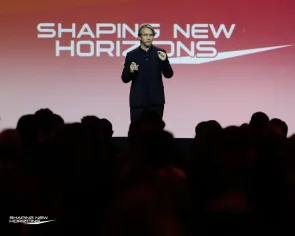



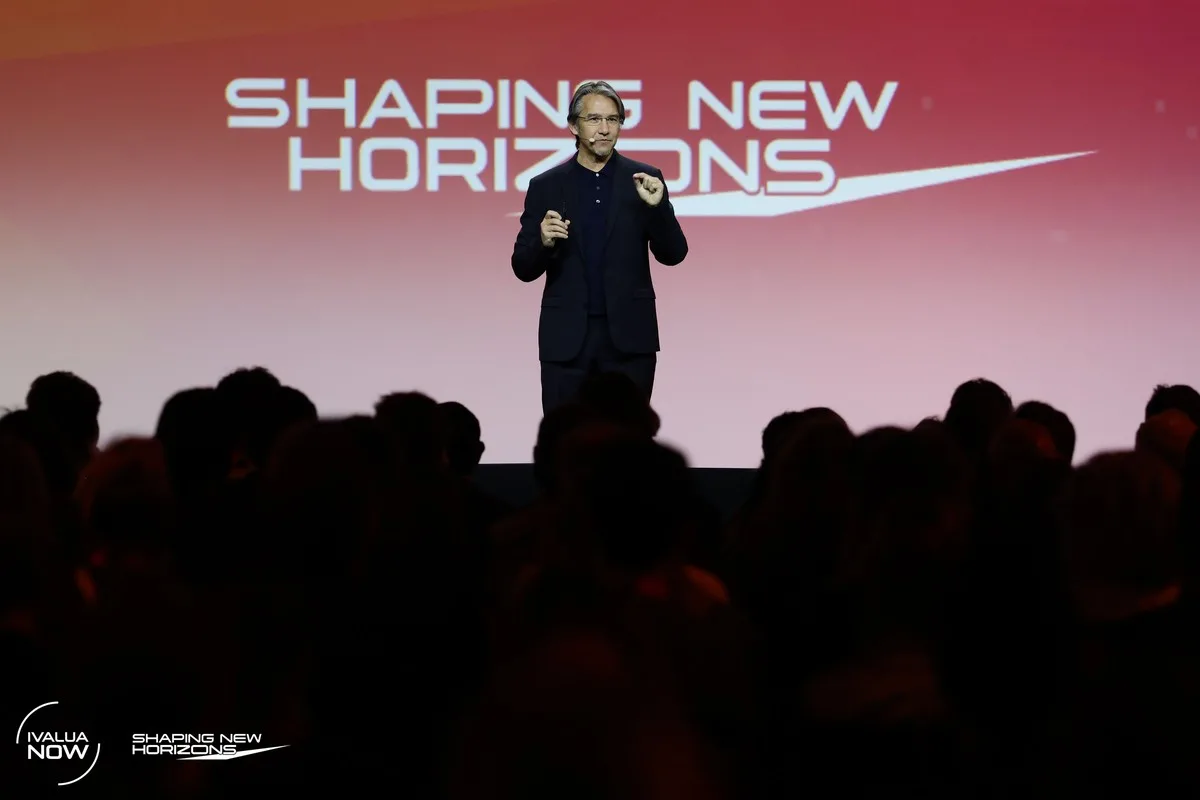
We speak with David Khuat-Duy, Founder and Chief AI Officer at Ivalua, to discuss why procurement is becoming one of the first enterprise functions to realise measurable value from artificial intelligence (AI), the importance of governance in the age of agentic AI, and how centrally managed AI platforms are reshaping supply chain decision-making.
ENTERPRISE-WIDE TRANSFORMATION
As AI adoption accelerates across the enterprise, many organisations are discovering that delivering measurable business value requires more than deploying isolated AI tools.
While investment in AI continues to grow, fragmented data, disconnected systems, and inconsistent governance are preventing many businesses from translating AI’s potential into tangible operational outcomes.
Procurement, however, is emerging as one of the first enterprise functions where AI is consistently driving real-world impact.
With access to rich, structured data and highly repeatable processes, procurement provides an ideal environment for AI to automate routine tasks, improve decision-making, and strengthen supply chain resilience.
Ivalua is helping organisations unlock this potential through IVA Studio, its centrally governed agentic AI platform designed to embed intelligent automation across the entire Source-to-Pay process.
By combining unified data, robust governance, and AI agents capable of executing procurement activities autonomously, the company is enabling businesses to move beyond AI experimentation towards enterprise-wide transformation.
David Khuat-Duy, Founder & Chief AI Officer at Ivalua, discusses why procurement is leading the AI revolution, the risks of ‘AI sprawl,’ and how trusted, governed AI will define the next generation of resilient and intelligent supply chains.

Despite widespread investment in AI, many organisations continue to struggle to achieve measurable returns. Why do you think procurement is emerging as one of the first enterprise functions where AI is consistently delivering tangible business value?
David Khuat-Duy, Founder & Chief AI Officer at Ivalua (DK): Procurement is in a unique position. It sits on enormous amounts of data, contracts, suppliers, spend, and invoices, and it runs on repeatable processes that machines handle better than people.
When the data is structured and sits on a unified platform, that combination can be very powerful for AI. In many functions, AI answers questions but can’t act. In procurement, agents can validate an invoice, chase a compliance document or set up a sourcing event end-to-end, so the value is concrete.
The result is time saved for teams and more spend brought under control, rather than a promising demo that never makes it into production.
Our research shows procurement teams using generative AI report improved data analysis for decision-making (85 percent), task automation (83 percent) and demand forecasting (79 percent), and 73 percent believe agentic AI will transform procurement and supply chains.
Procurement keeps being handed more work to own, from environmental, social, and governance (ESG) to risk and cost control, while teams stay the same size.
Procurement teams are facing increasing pressures, including geopolitical uncertainty, supply chain disruptions, and rising cost volatility. How is AI helping organisations make faster and more informed decisions in this context?
DK: Speed of insight and response is the difference between absorbing a shock and being flattened by it.
Teams relying on spreadsheets and email chains simply can’t keep pace with tariff changes, conflict zones, and climate-driven disruption.
AI changes the equation by scanning vast amounts of internal and external data, from supplier performance to global news, and flags emerging risks in real time.
Agents then go further. A supplier risk event can trigger an agent to surface every affected contract and open purchase order, build a mitigation plan, and propose qualified alternatives, taking response times from weeks to minutes.
Predictive analytics and scenario modelling also help teams anticipate supply shocks and weigh up options before they’re forced into a corner. The result is procurement acting ahead of disruption rather than reacting to it.

Many enterprises have adopted multiple AI tools and co-pilots across different business functions. What challenges does this create, and why do you believe ‘AI sprawl’ can ultimately limit the value organisations derive from their AI investments?
DK: Distinct functions and teams buying their own AI tools feels like progress until you step back and look at the whole.
Organisations may be tempted to stack fragmented, bolted-on point solutions on top of their existing infrastructure. Each tool comes with its own data, its own permissions, and its own answers, but if none of them talk to each other, that creates three problems.
Teams accumulate integration debt and spend more time maintaining disconnected agents than benefiting from them. Insights conflict because each tool sees a different slice of the data.
And governance becomes nearly impossible, because nobody can say with confidence what every agent is doing or what it can access.
AI is only as good as the data underneath it and the governance model, and fragmented tools sit on fragmented data. Organisations that consolidate around unified data and governed agents will see compounding returns, but those that keep adding point solutions will see compounding complexity.
As AI becomes more deeply embedded within procurement processes, how are procurement teams balancing innovation with governance and trust?
DK: The simple truth is that trust has to be designed in rather than bolted on. The teams getting this right enforce governance at the platform level, not the agent level.
At Ivalua, agentic AI inherits the same permissions as the person who invokes it and can never exceed them; every action is logged in a continuous audit trail, and a human is always accountable, even when the agent runs autonomously in the background. Procurement also carries higher stakes than many functions.
A misconfigured agent could disrupt production or supplier operations, so structured workflows defining when humans monitor, validate, or intervene are essential.
Regulation is sharpening the focus too, with the EU AI Act requiring organisations to demonstrate that their AI operates within defined boundaries. Done well, governance isn’t a brake on innovation. It’s what allows organisations to scale it.
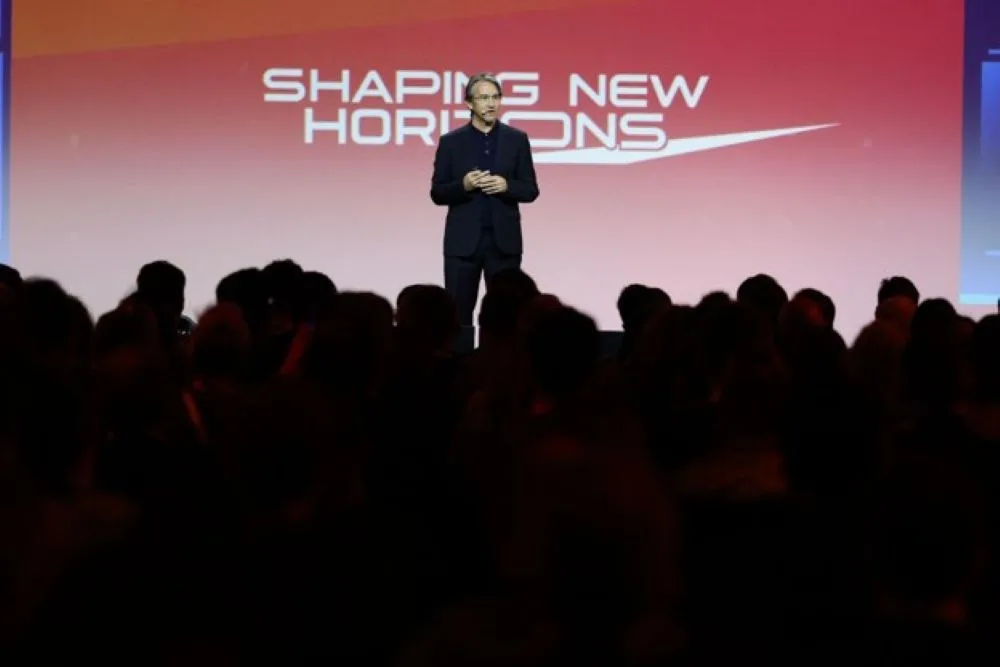
Ivalua has just launched IVA Studio. What market challenges is the platform designed to address? Why do you think enterprises are increasingly moving towards centrally governed AI agents embedded within procurement platforms?
DK: IVA Studio addresses the gap between AI’s promise and the reality most enterprises experience. Companies have spent the past two years assembling a sprawling set of agents on top of fragmented systems, and they’ve ended up managing AI rather than benefiting from it. IVA Studio takes the opposite approach.
One agent, IVA, can perform any activity across Source-to-Pay from day one because the entire platform is its knowledge source and toolset, and IVA Studio is the control tower that manages its skills, permissions, tools, and integrations.
The move towards centrally governed agentic AI ultimately comes down to accountability. Enterprises have realised they can’t scale AI they can’t audit, and when governance is enforced by the platform itself, every action is traceable, and leaders can prove AI works only where it’s allowed to. That confidence is what moves organisations from pilots to execution.
Looking ahead, how do you see AI reshaping the procurement function over the next three to five years, and what capabilities will distinguish the organisations that gain a lasting competitive advantage from those that fall behind?
DK: Procurement will move to a hybrid operating model where agents handle the machine work, and people lead strategy, supplier relationships, and the judgment calls that really matter.
Agentic AI will take on work that, under pressure, humans don’t have the hours for, from tail spend to routine supplier interactions, achieving more without adding headcount. The differentiator won’t be access to AI, because everyone will have that.
It will be data quality, governance and how well organisations capture their own expertise. Teams that encode their best practices as agent skills will build compounding institutional knowledge, so a new hire operates with the benefit of the whole organisation’s experience.
Those still wrestling with fragmented data and stitched-together, ungoverned tools will find themselves stuck in pilots while their competitors scale AI into everyday operations and pull away.
This article was produced by the editorial team at Supply Chain Outlook and published as part of the Outlook Publishing global network of B2B industry magazines.
Outlook Publishing delivers industry insights, company stories, and sector coverage across supply chains, manufacturing, mining, construction, healthcare, food production, and sustainability.
Supply Chain Outlook provides ongoing coverage of organisations and developments shaping the global logistics and supply chain sector.