


Legacy systems are rarely the problem – legacy thinking is. You can install the most modern supply chain solution on the market and still run a legacy company: same incentives, same caution, same reflexes.
The shift that matters is one of paradigm, not product. A modern supply chain is no longer faster software bolted onto an old operating model; it is becoming intelligent, autonomous, and increasingly self-directing. You are not upgrading – you are changing the nature of the work.
Legacy systems endure because they are good enough until a shock, or a competitor, proves they were not. So the answer is not, “which platform?” – it is simpler, and far harder: migrate the thinking before the data.
Redesign how the work should be done – around judgment, around resilience – then choose the system that forces that new way rather than one that quietly preserves the old. A modern platform running a legacy operating model is just a faster way to repeat the same outdated thing.
Let go first. The technology follows. That, not the software, is the transition.
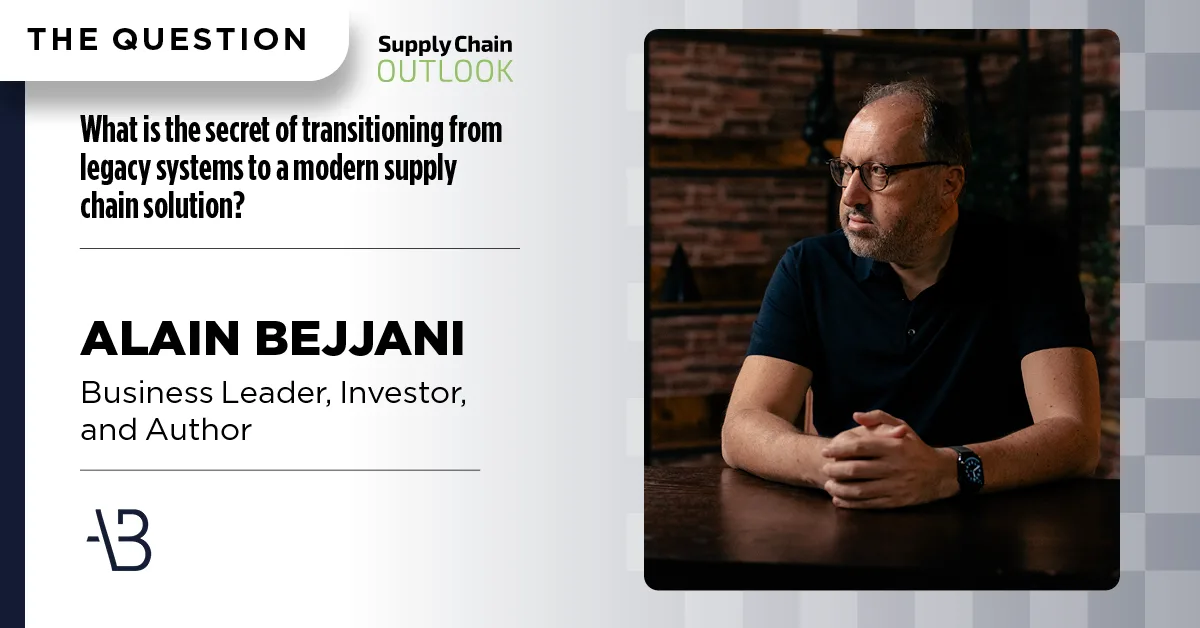
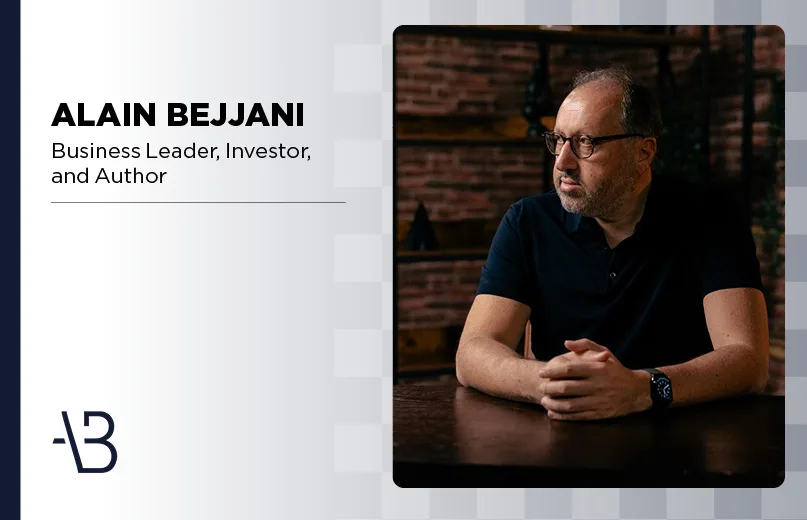
Alain Bejjani
Business Leader, Investor, and Author
About Alain Bejjani
Alain Bejjani was named Gulf Business CEO of the Year in 2020 and ranked among Forbes Middle East’s Top 100 CEOs in 2022. His book, Next: Leading Through the New Realities, is out now.
The Question is a thought leadership series published on Supply Chain Outlook, created to explore the questions shaping global logistics, procurement, transportation, and supply networks.
This edition of The Question is sponsored by Syspro.

Supply Chain Outlook features leadership insights and company stories from organisations helping to move, manage, and transform the flow of goods, services, and information around the world.
Produced as part of the Outlook Publishing global network of B2B industry magazines, The Question brings focused executive insight to audiences engaged with the people, technologies, and decisions shaping the future of supply chain.