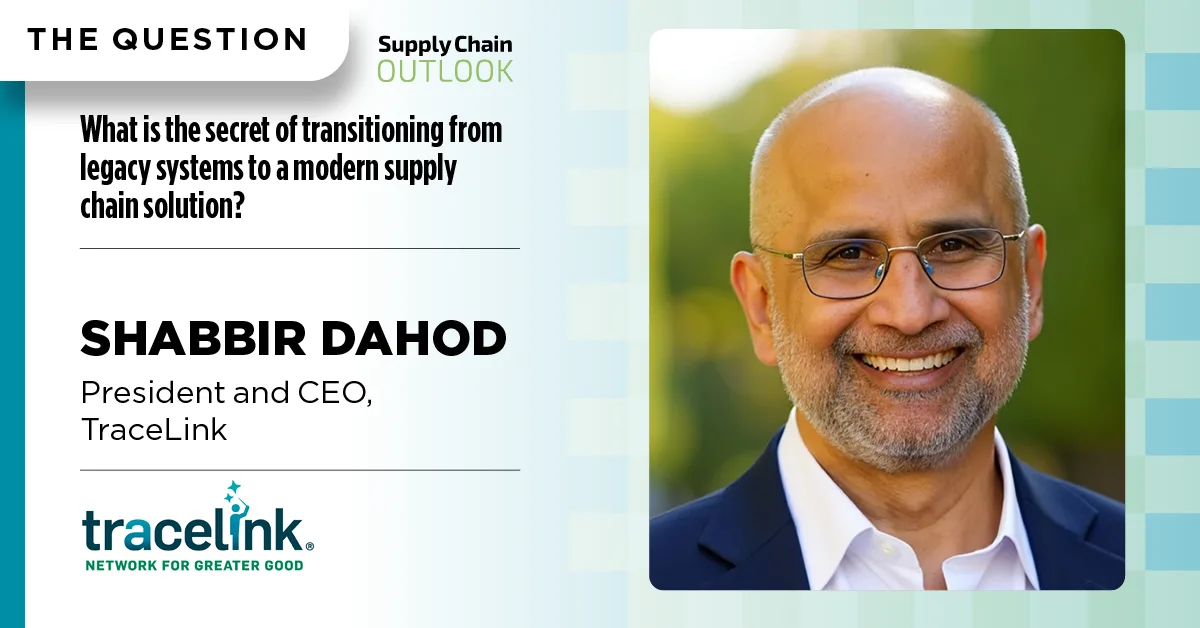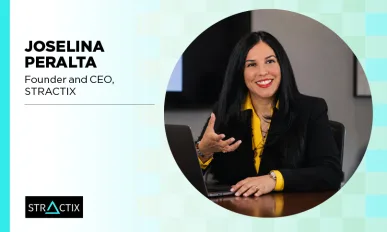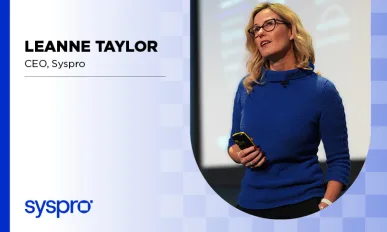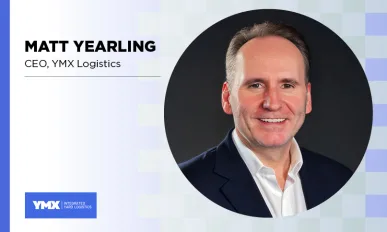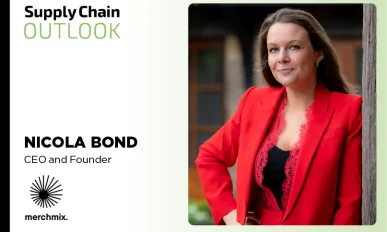



The transition from legacy supply chain systems is no longer primarily about upgrading software. It is about building an agentic supply chain operating model where humans and AI agents can coordinate work across the end-to-end network in real time.
Most legacy environments are not limited by old technology alone. They are limited by fragmented data, disconnected processes, and the operational friction created when teams must stop work to reconcile information, investigate exceptions, confirm commitments, or manually coordinate with partners before execution can move forward.
Modernisation begins by integrating existing systems and trading partners into a shared digital and operational foundation. That foundation combines standardised business transactions, trusted real-time network data, metadata, and semantic reasoning capabilities that allow AI agents to operate with business context and governed decision-making.
In this model, AI agents can monitor conditions, validate transactions, identify risks, recommend actions, and advance approved next steps within defined operational and compliance boundaries whilst working alongside human teams.
The real secret is that modern supply chain execution does not come from adding more disconnected systems. It comes from removing the friction that prevents work from moving across partners, processes, and enterprises – and creating the foundation for intelligent, agentic orchestration at scale.
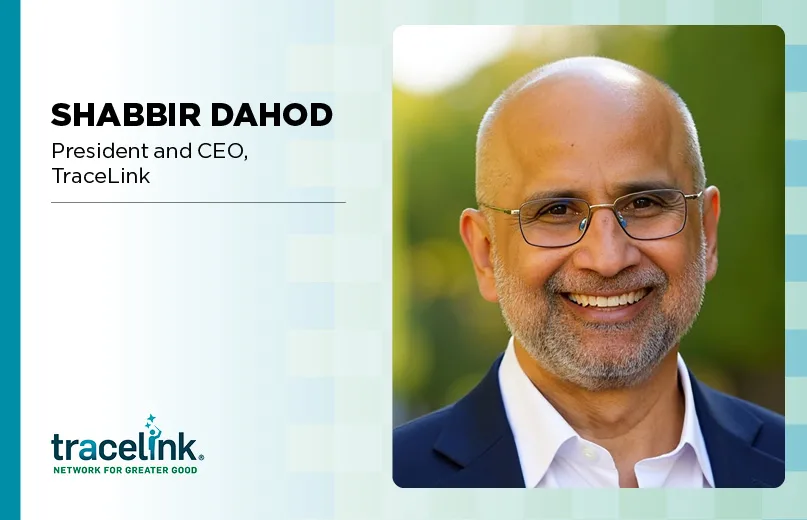
Shabbir Dahod
President and CEO, TraceLink
About Shabbir Dahod
Shabbir Dahod co-founded TraceLink in 2009 to help transform the global life sciences and healthcare supply chain through cloud-based, networked digitalization. With more than 40 years of experience, he has helped drive the shift from fragmented systems to intelligent business networks.
About TraceLink
TraceLink is the world’s largest Agentic Business Network, enabling life sciences and healthcare companies to build and manage a scalable digital workforce of governed, no-code AI agents that execute and coordinate mission-critical supply chain operations alongside human teams.
The Question is a thought leadership series published on Supply Chain Outlook, created to explore the questions shaping global logistics, procurement, transportation, and supply networks.
This edition of The Question is sponsored by Syspro.
Supply Chain Outlook features leadership insights and company stories from organisations helping to move, manage, and transform the flow of goods, services, and information around the world.
Produced as part of the Outlook Publishing global network of B2B industry magazines, The Question brings focused executive insight to audiences engaged with the people, technologies, and decisions shaping the future of supply chain.